
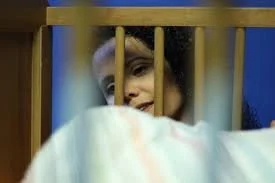
Cadence Alma Production was founded to create space for stories shaped by migration, rupture, and survival. It builds work from within lived experience, with urgency, complexity, and artistic control.
Why We Exist
Cadence Alma Production was founded out of a need to create space for stories that were not being staged, stories shaped by migration, rupture, and survival. Existing theatre structures often framed these experiences from the outside, reducing them to themes rather than lived realities. The company emerged as a response to that gap, building a platform where these stories could be created from within, with urgency, complexity, and artistic control.
Audience
Cadence Alma Production creates work for audiences willing to engage with complexity and lived reality. It speaks to immigrant and diasporic communities while inviting broader audiences into experiences often simplified or overlooked.
process
Cadence Alma Production develops text-based work through a collaborative rehearsal process that centers the relationship between actor and audience. Scripts are shaped through rhythm, voice, and presence, allowing language to function not only as narrative, but as a physical and emotional experience.
Future Direction
Over the next decade, Cadence Alma Production aims to establish itself as a leading platform for theatre rooted in migration and displacement. The company seeks to expand its productions across stages and mediums, develop long-term collaborations, and create sustained opportunities for immigrant and refugee voices in professional theatre.
What Defines Our Work
Cadence Alma Production’s work is defined by its commitment to transforming lived experiences of migration into theatrical form without softening their contradictions. The company resists simplified narratives of identity or belonging, instead staging fragmentation, tension, and unresolved histories as part of its aesthetic. The work does not explain migration, it asks audiences to encounter it.
Artistic Approach
Text-driven creation that treats language as both structure and rupture
Narratives shaped from within immigrant experience
An unflinching tone that avoids sentimental storytelling
Performance rooted in embodiment and memory
A refusal of neat resolution